01Tanzanite · Tanzania
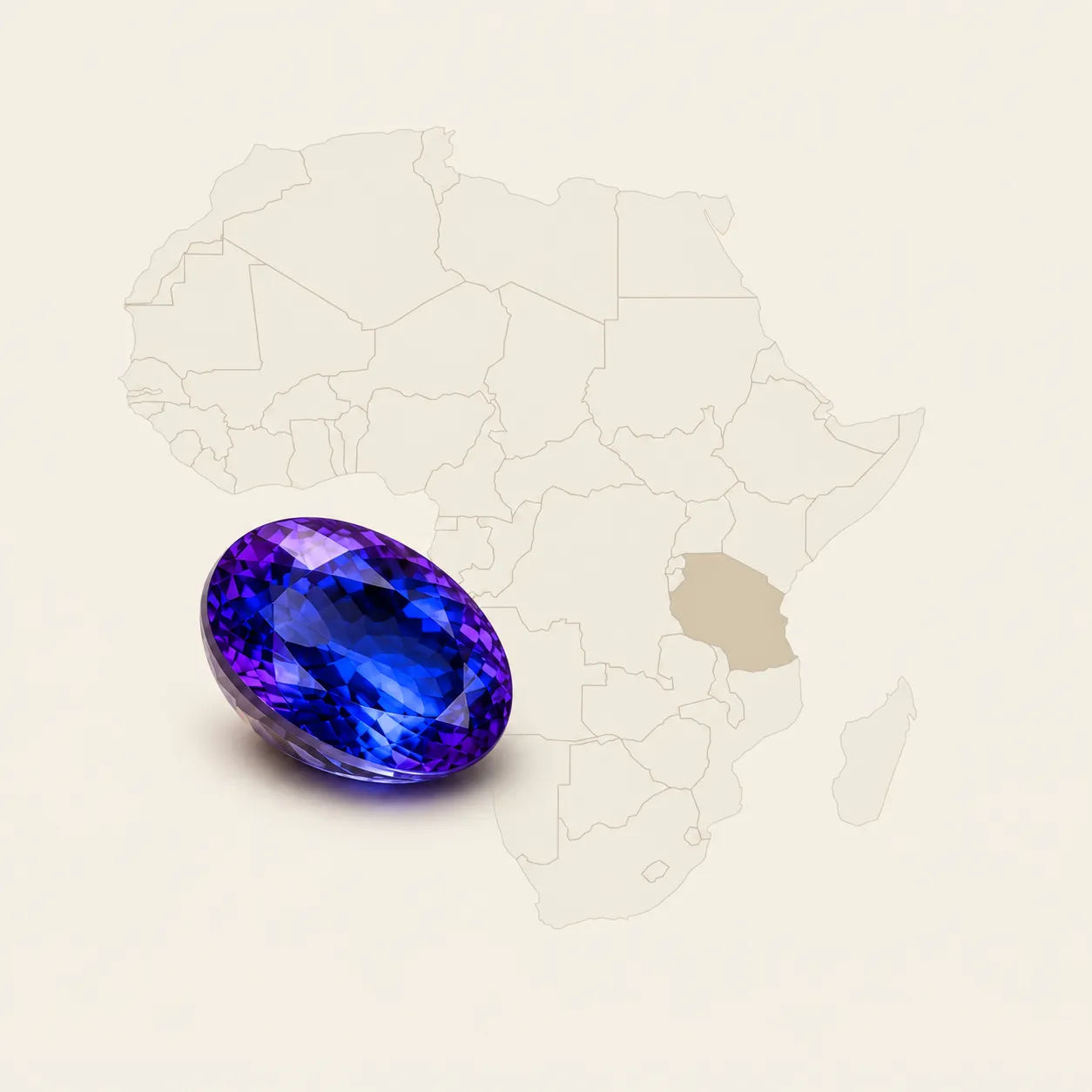
Found in the Merelani hills of northern Tanzania, tanzanite is treasured for its blue and violet hues. Look for lively colour, balanced proportions and a cut that reveals the stone’s depth. Most tanzanite is heat-treated; we discuss known treatments for the particular stone.
First brought to the jewellery world’s attention in 1967, tanzanite takes its name from Tanzania. Its single source in the Merelani hills gives it an unmistakable sense of place. A fine stone reveals shifting blue and violet as it turns in the light; cutting and orientation bring that character to life.
Read more at GIA ↗02Tsavorite · East Africa
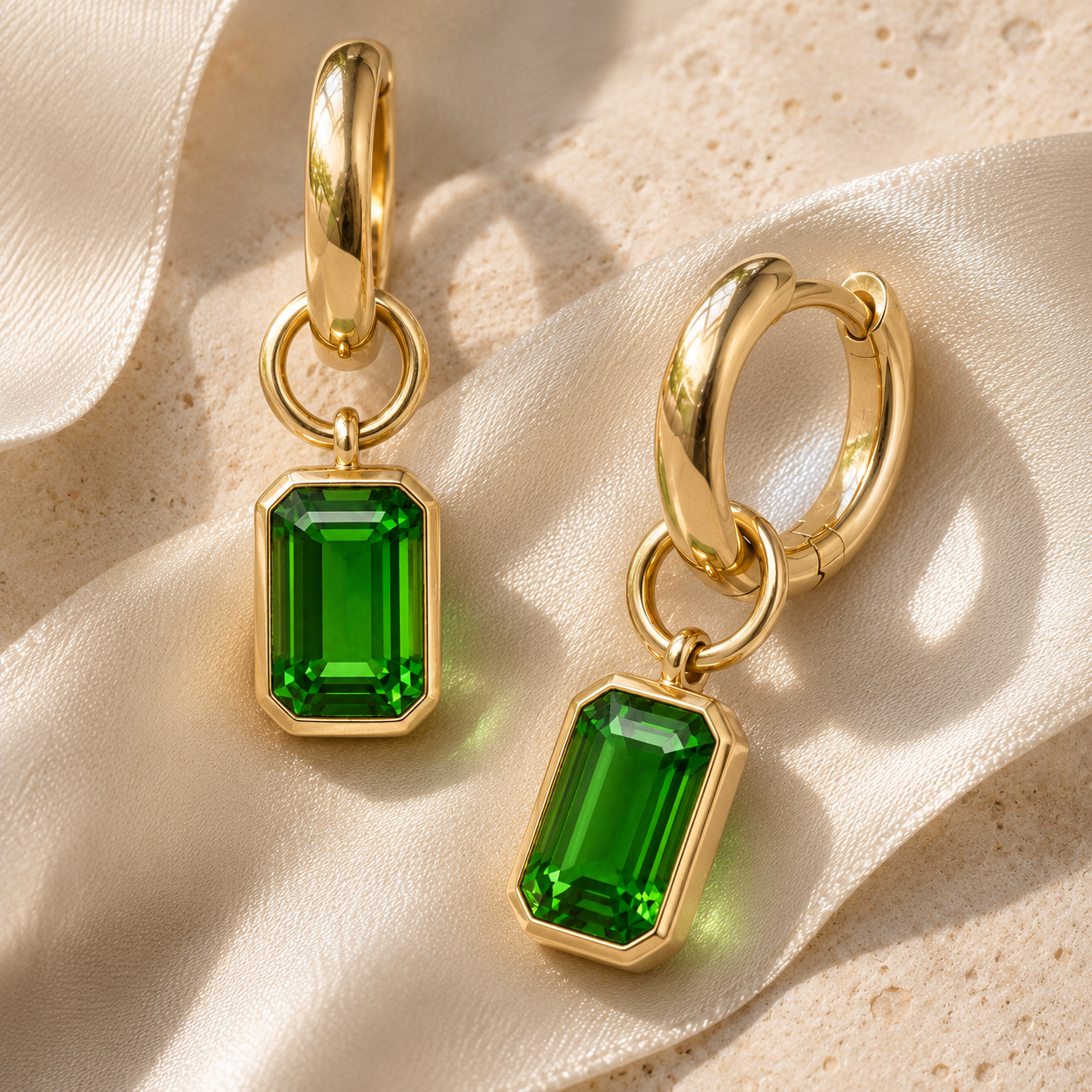
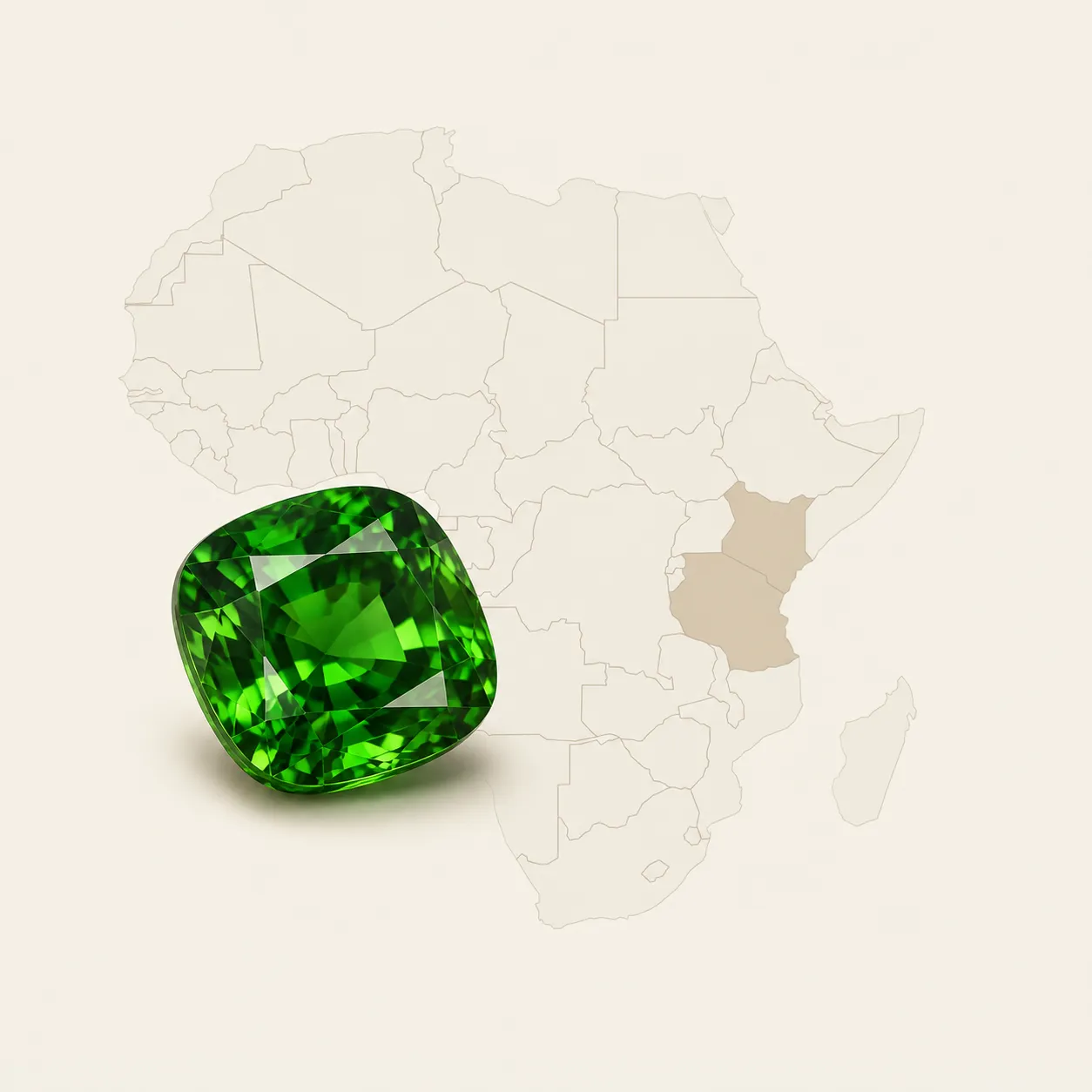
Tsavorite is the vibrant green variety of grossular garnet, associated especially with Kenya and Tanzania. Its brilliance and fresh green colour make it a distinctive choice for a refined ring or pendant. We consider colour, clarity and cutting together.
Tsavorite brings a different kind of presence: a vivid green with the lively brilliance of garnet. Its story is closely connected to East Africa and the landscape around Kenya’s Tsavo National Park. We look beyond colour alone, considering transparency, evenness and the way each facet returns the light.
Read more at GIA ↗03Tourmaline · A rich palette
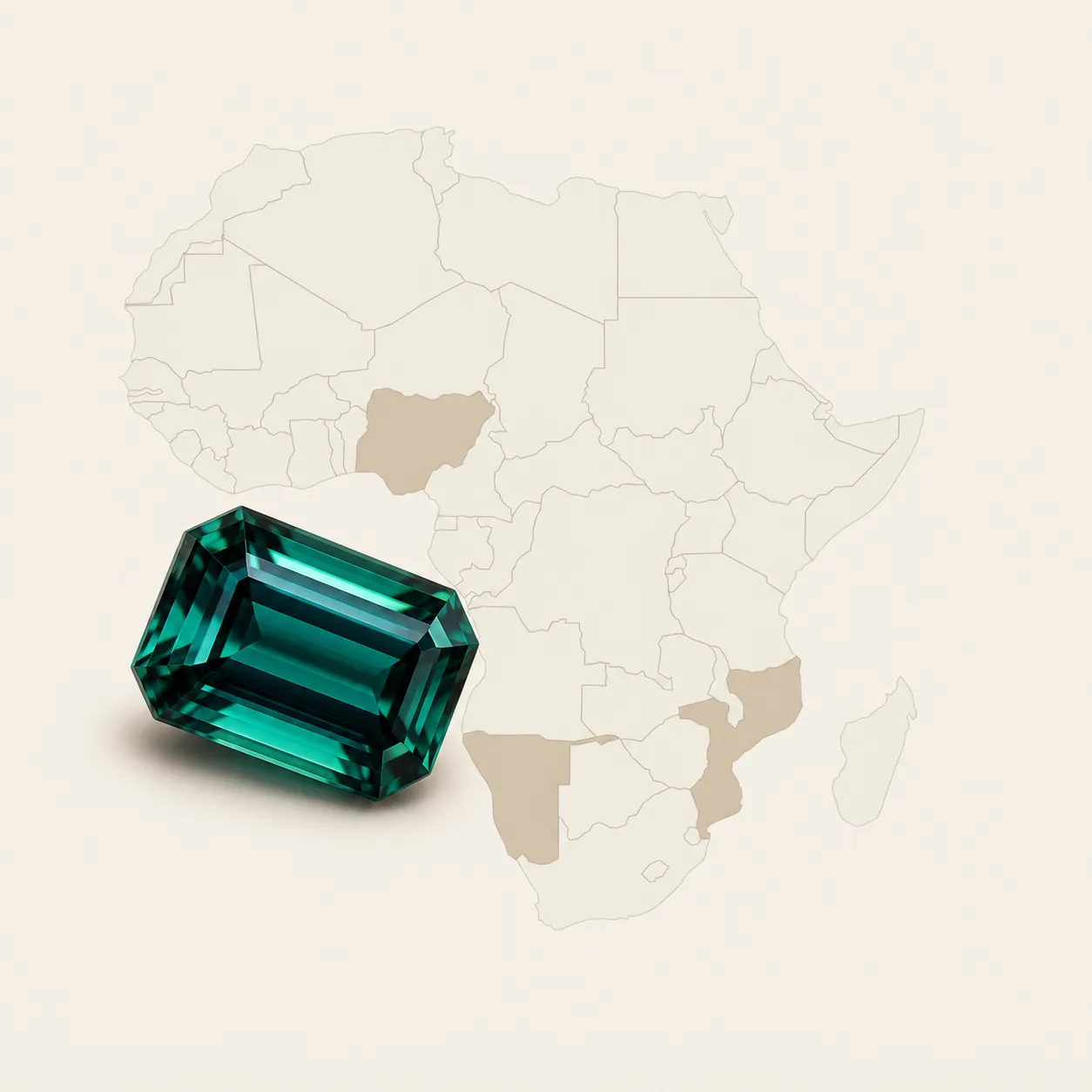
African tourmalines range from delicate pinks to deep greens and luminous blue-green hues. Mozambique, Namibia and Nigeria are among the continent’s sources. Choose for the beauty of the individual stone; origin and any treatment are discussed where known.
Read more at GIA ↗04Aquamarine · Namibia & Madagascar
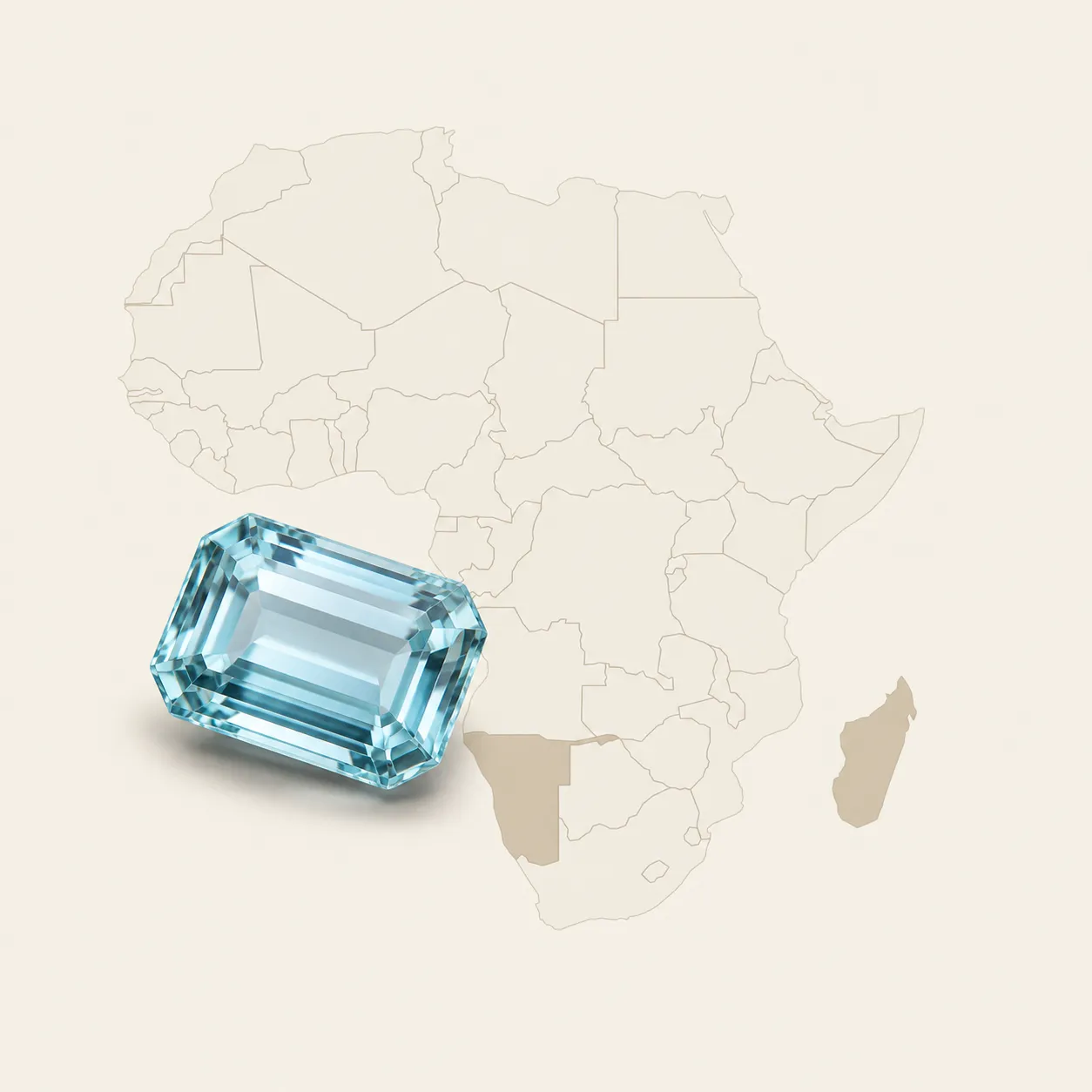
Aquamarine belongs to the same mineral family as emerald, yet its pale blue to blue-green colour creates a very different impression. African sources include Namibia and Madagascar. Its name comes from the Latin for seawater, and the clarity of a fine stone lends itself to clean, open designs.
Read more at GIA ↗05Ruby · Mozambique
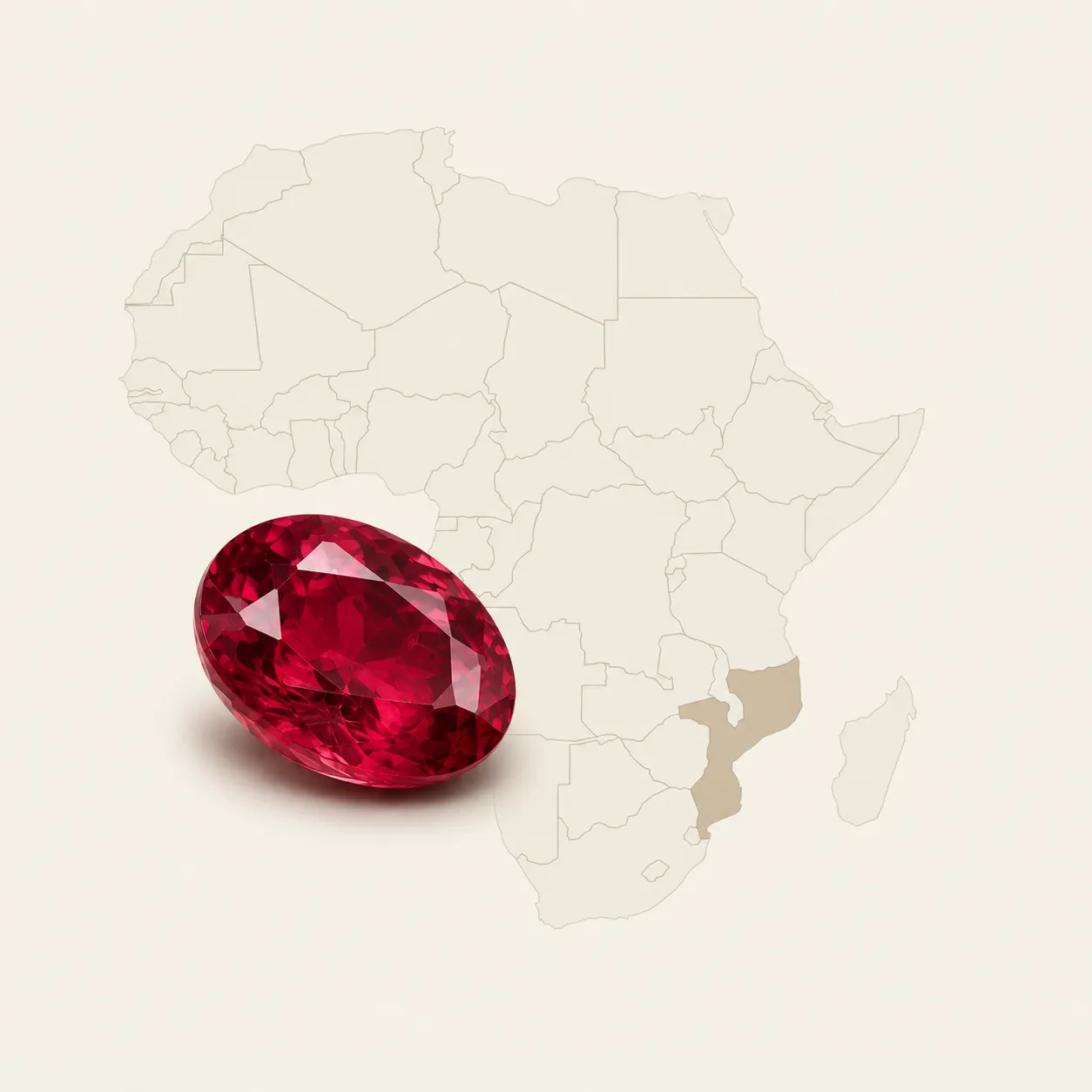
The ruby deposits at Montepuez, discovered in 2009, brought Mozambique to international attention as a source of fine ruby. The red colour comes from chromium in the mineral corundum. We consider colour and clarity together, and discuss any known treatments and available reports for the individual stone.
Read more at GIA ↗06Emerald · Zambia
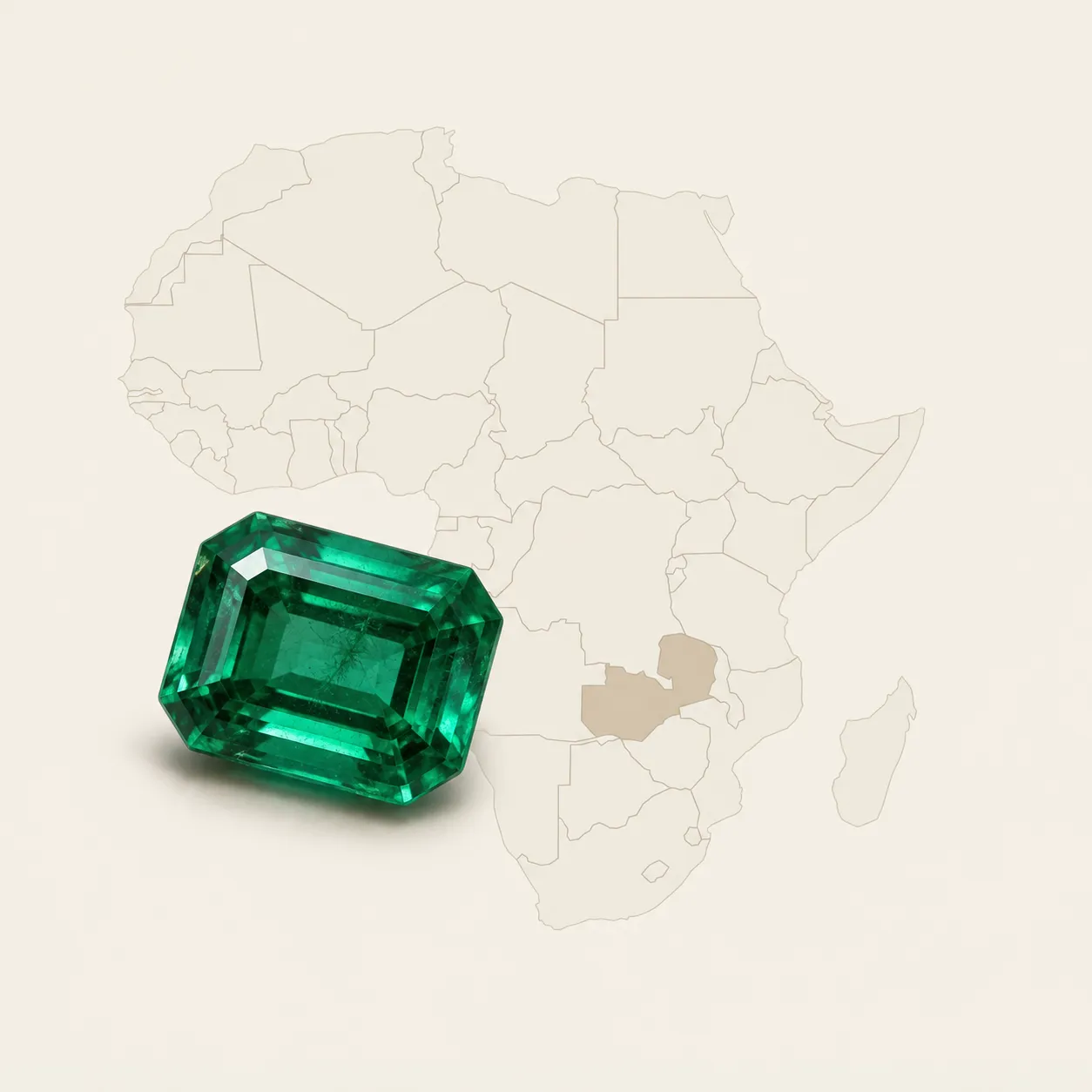
Zambia is an important source of emerald, the green variety of beryl. Many emeralds contain natural inclusions, sometimes described as a jardin, or garden. Their character rewards a closer look; clarity enhancement is common, so treatment information and the choice of a protective setting deserve particular attention.
Read more at GIA ↗